Learning and careers
How to learn ML, what to learn first, and how to get hired. Posts are listed in the order the ideas build on each other.
How to learn ML
 How to learn ML
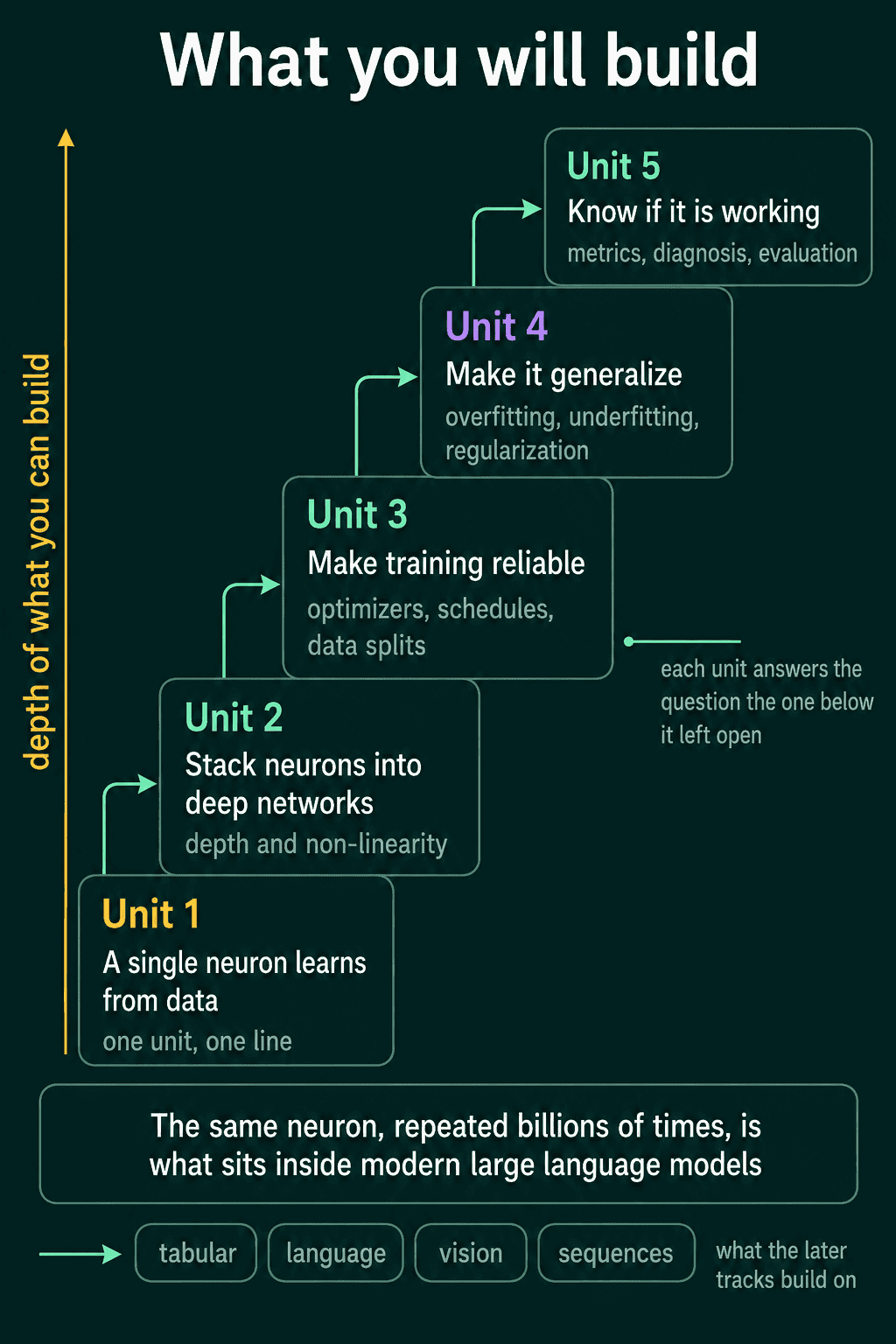
How to learn machine learning in 2026: a complete roadmap for self-taught learners
The order to learn machine learning on your own: Python, the math that ML uses, PyTorch, then training and evaluating deep networks, with every concept named so you know exactly what is ahead of you.
How to learn ML
How to learn machine learning in 2026: a complete roadmap for self-taught learners
The order to learn machine learning on your own: Python, the math that ML uses, PyTorch, then training and evaluating deep networks, with every concept named so you know exactly what is ahead of you.
 How to learn ML
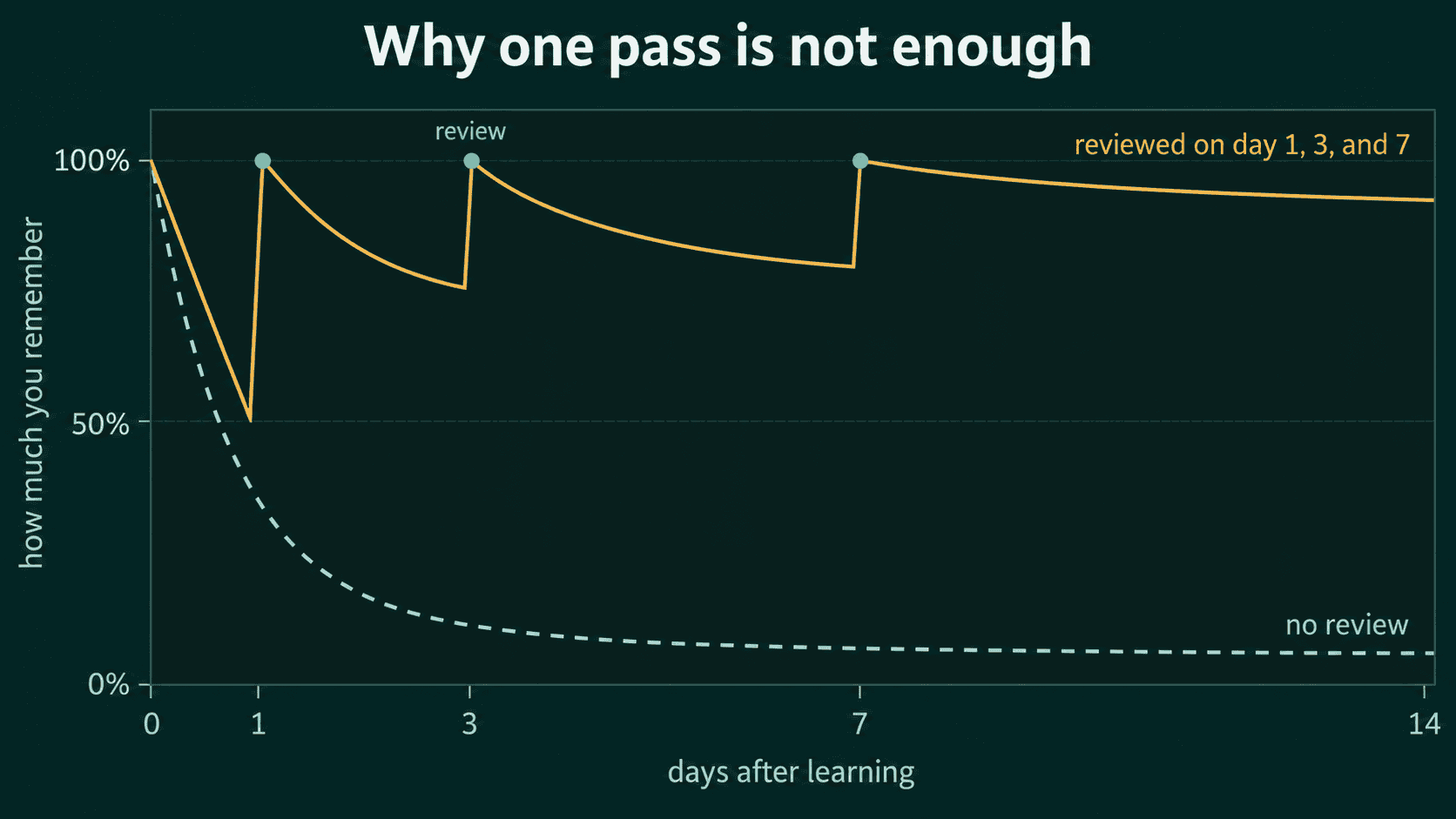
How to learn machine learning effectively (and actually remember it)
Most people finish an ML course and cannot use it a month later. This post covers what to learn in which order, how to practice so the concepts stay, and a weekly schedule you can keep with 30 to 45 minutes a day.
How to learn ML
How to learn machine learning effectively (and actually remember it)
Most people finish an ML course and cannot use it a month later. This post covers what to learn in which order, how to practice so the concepts stay, and a weekly schedule you can keep with 30 to 45 minutes a day.
 How to learn ML
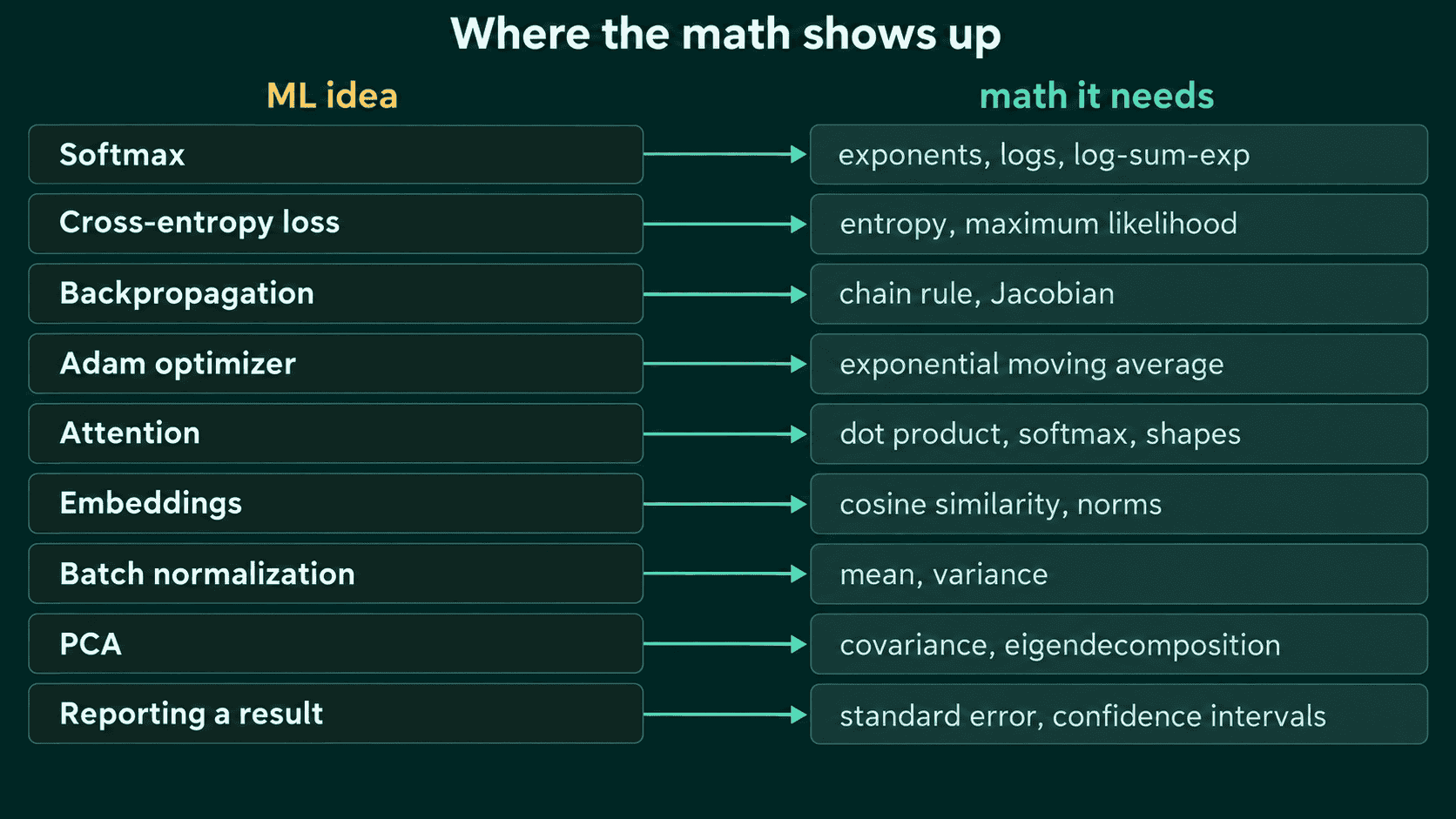
How much math do you actually need for machine learning?
You need enough math to read a loss function, an update rule, and a shape error, and that is a list you can finish in a few weeks. This post names every piece, says which ones you need before your first model and which can wait, and estimates the hours.
How to learn ML
How much math do you actually need for machine learning?
You need enough math to read a loss function, an update rule, and a shape error, and that is a list you can finish in a few weeks. This post names every piece, says which ones you need before your first model and which can wait, and estimates the hours.
Interviews and careers
 Interviews and careers
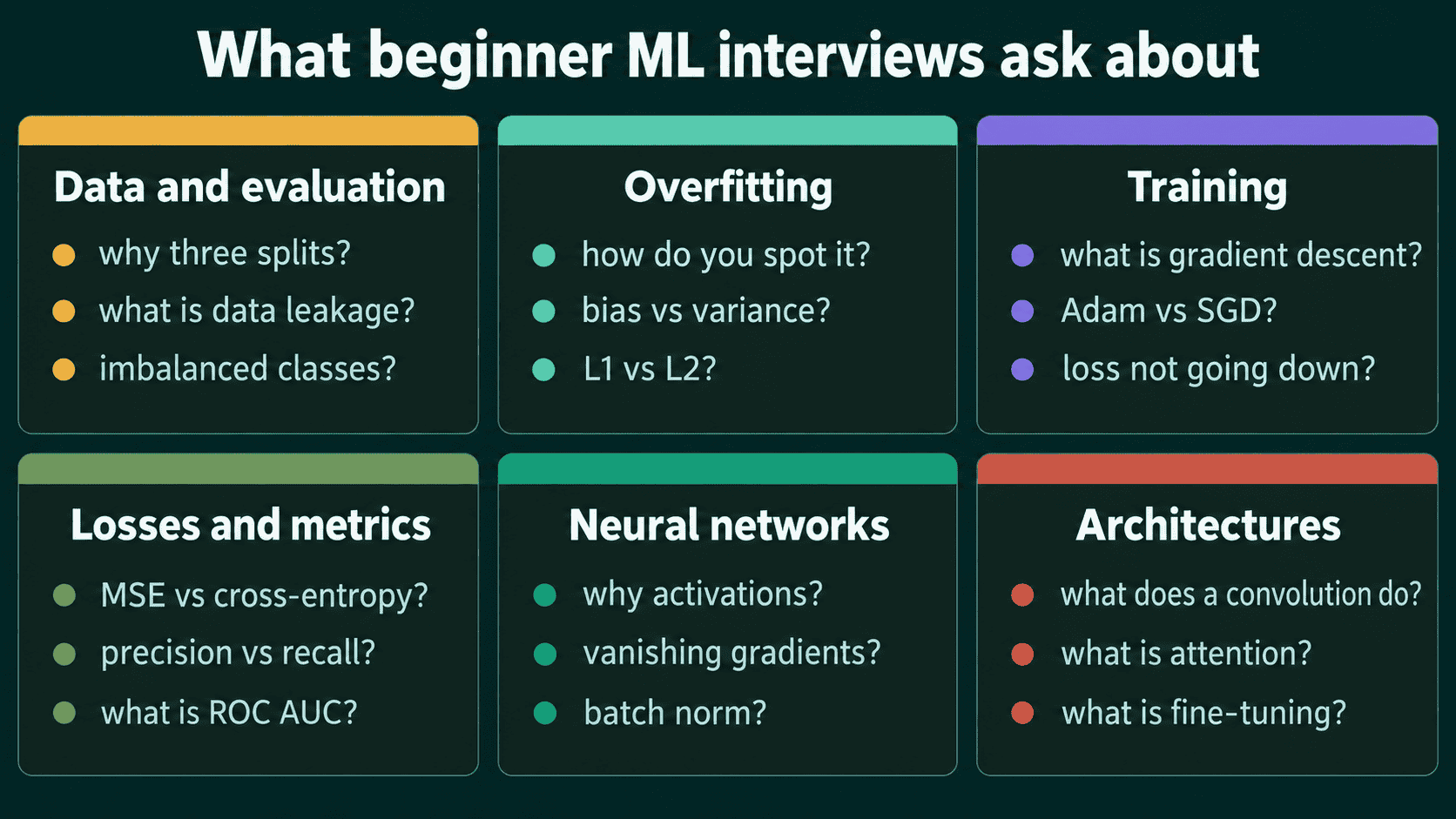
Machine learning interview questions for beginners, with answers
About 30 machine learning questions that come up in junior ML, data science, and ML engineering interviews, each with a short answer and the follow-up an interviewer usually asks next, grouped from data and evaluation through training, metrics, neural networks, and architectures.
Interviews and careers
Machine learning interview questions for beginners, with answers
About 30 machine learning questions that come up in junior ML, data science, and ML engineering interviews, each with a short answer and the follow-up an interviewer usually asks next, grouped from data and evaluation through training, metrics, neural networks, and architectures.
 Interviews and careers
What ML projects actually get you hired in 2026?
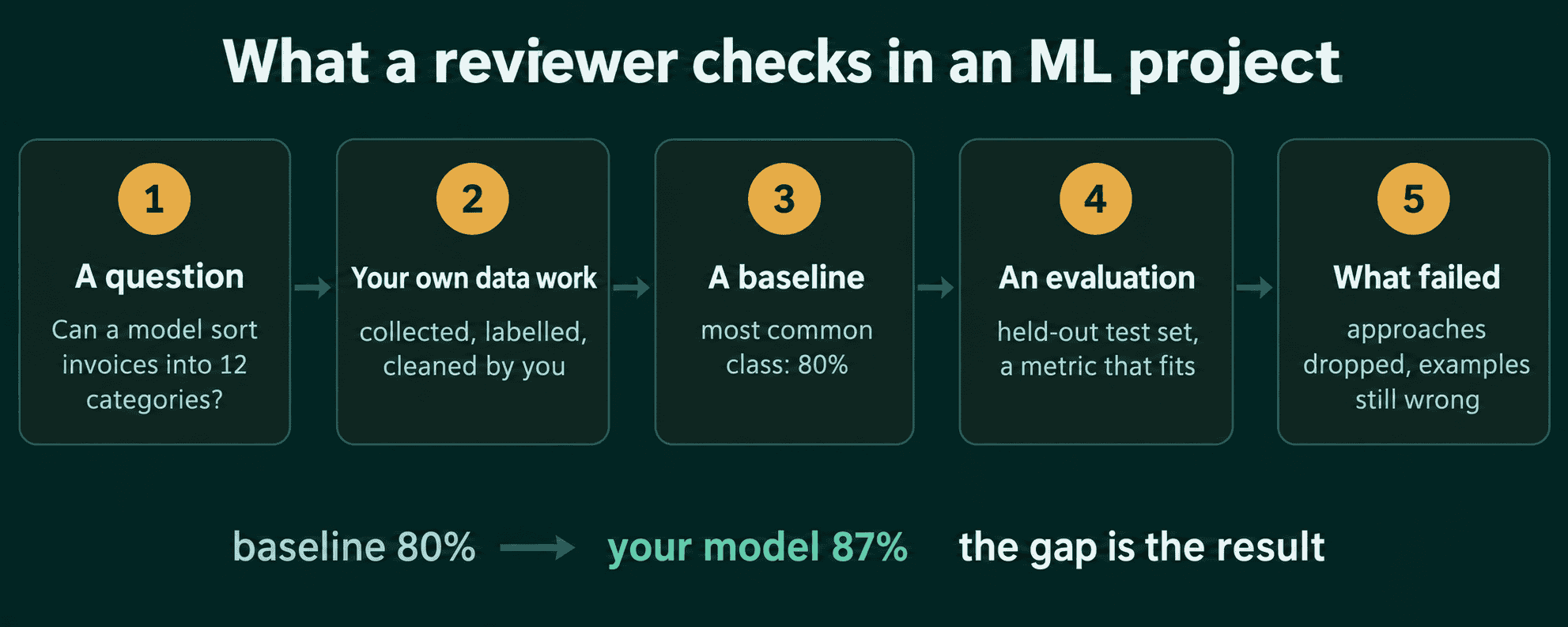
The machine learning projects that help in hiring are the ones you cared enough about to finish, measure, and defend. This post covers how to pick one, what a reviewer checks, five projects worth building, how to present it, and how to answer when an interviewer asks why you didn't do it another way.
Interviews and careers
What ML projects actually get you hired in 2026?
The machine learning projects that help in hiring are the ones you cared enough about to finish, measure, and defend. This post covers how to pick one, what a reviewer checks, five projects worth building, how to present it, and how to answer when an interviewer asks why you didn't do it another way.
 Interviews and careers
How to choose a machine learning project
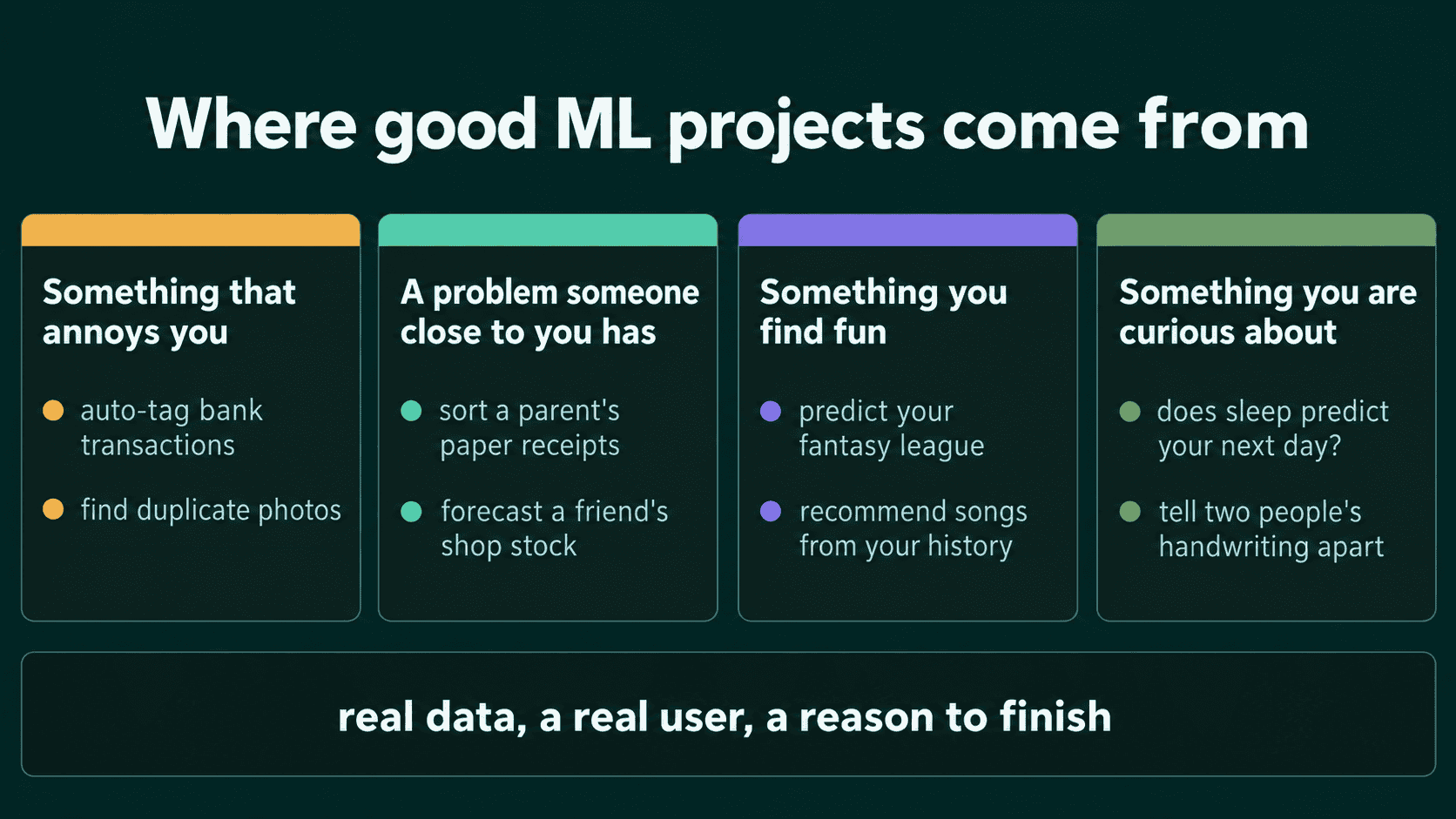
A good machine learning project usually starts from a problem you or someone close to you actually has. This post covers where to find one, the questions to ask before you start, and what a project needs to be worth showing: a baseline, more than one dataset, more than one model, and more than one way to evaluate it.
Interviews and careers
How to choose a machine learning project
A good machine learning project usually starts from a problem you or someone close to you actually has. This post covers where to find one, the questions to ask before you start, and what a project needs to be worth showing: a baseline, more than one dataset, more than one model, and more than one way to evaluate it.